Skip to content

Dallas Fence Service

Chain Link Fence Installation in Dallas, TX

Chain link fence installation in Dallas, TX. Galvanized & vinyl-coated fencing for homes, commercial sites & dog runs.

  • On-site estimates
  • Written 5-year workmanship warranty
  • Serving Dallas since 2008
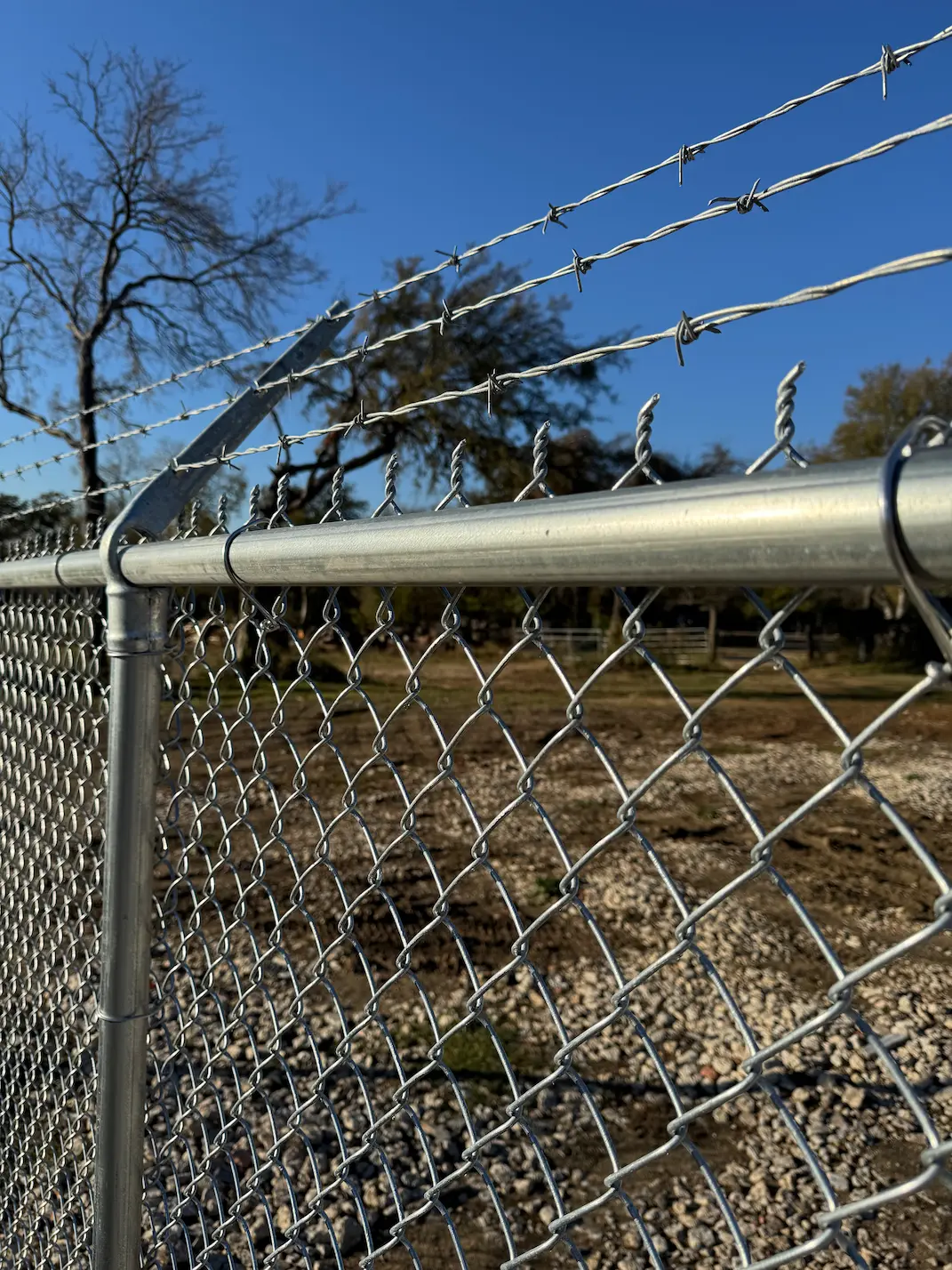
Galvanized chain link fence in Dallas, TX
Dallas, Texas 32.99° N / 96.84° W
  • Dallas BasedDallas, TX
  • Built for Clay SoilSteel-post options
  • Written Coverage5-year workmanship warranty
  • Clear ScopeMeasured, itemized estimates
  1. 01

    Measure the Property

    Footage, grade, access, removals, gates, and obstructions are reviewed before the scope is written.

  2. 02

    Specify the System

    Material, posts, hardware, finish, and details are matched to the way your chain link fencing needs to perform.

  3. 03

    Confirm the Scope

    The proposed work is documented so the estimate is useful and the installation crew knows what was agreed.

Chain Link Fencing in Dallas

Materials, options, and build details that matter.

Review the specifications, design choices, site conditions, and installation decisions behind a durable chain link fencing.

03Build specification

Gauge & Framework Buying Guide

The two things that decide how a chain link fence actually holds up are the wire gauge and the framework it hangs on. Salespeople gloss over both. We won't.

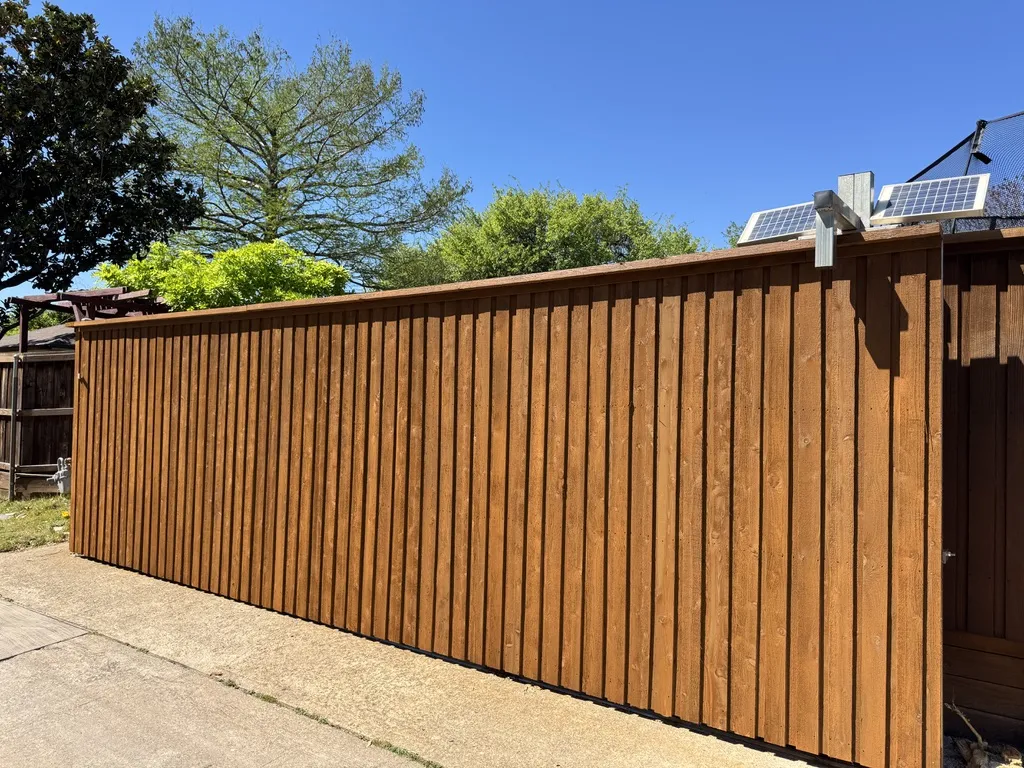
Automatic gate system used in chain link fencing planning
Automatic gate systemMaterial and site conditions shape the final scope.
01

Wire Gauge

"Gauge" is wire thickness, and it runs backwards — a lower number means thicker, stronger wire.

  • 11.5-gauge — light-duty and temporary. Skip it for anything permanent.
  • 11-gauge — standard builder-grade residential. Fine for a quiet side yard, thin for anything else.
  • 9-gauge — our default for Dallas homes. Noticeably heavier wire that takes a hit from a dog, a lawnmower, or a wind-thrown branch and stays put.
  • 6-gauge — heavy commercial and security. Thick, rigid mesh for high-traffic and high-value sites.

Our take: go 9-gauge for almost any residential job. The step up over 11-gauge is small, and it's the difference between a fence that stays tight and one that bags out in a few years.

02

Framework: Posts and Rails

The mesh is only as good as what holds it up. Terminal posts (ends, corners, and gates) take all the tension, so they're always heavier than line posts.

  • Line posts — spaced no more than 10 feet apart; we set them tighter on tall or slatted runs.
  • Terminal posts — larger diameter and set deeper, because every stretch of mesh pulls against them.
  • Top rail — ties the whole run together and keeps the fabric from flexing. We use it on virtually all permanent fences.
  • Bottom tension wire — a taut wire along the base that stops the mesh from being pushed up. Easy insurance on dog runs.

Match the gauge and framework to the job and a chain link fence outlives the mortgage. Cut corners on either and it sags.

05Build specification

Setting Posts in Dallas Clay & Wind

Most of Dallas sits on expansive clay soil, and clay is the reason so many fences here fail early. It swells when it's wet and shrinks in a drought, and that constant movement heaves shallow posts right out of plumb. A chain link fence set the lazy way — short holes, thin concrete — starts leaning within a couple of seasons.

We set posts to beat the clay:

  • Deeper footings. We dig terminal and gate posts well below the surface zone where the clay moves most, then set them in concrete with the right diameter for the load.
  • Proper concrete crowns. Each footing gets a sloped concrete crown that sheds water away from the post instead of pooling around it.
  • Tighter post spacing on tall runs. Six-foot and slatted fences catch more wind, so we shorten the gaps between line posts and beef up the corners.

Wind is the other Dallas factor. Open chain link mesh lets air pass straight through, which is exactly why it handles North Texas storms better than a solid fence — there's little surface for the wind to grab. The moment you add privacy slats, though, that changes. Slats turn the fence into a sail, so those jobs get stronger posts and deeper footings to carry the extra load.

One more local wrinkle: rules on where chain link can go. In Dallas a permit is generally required once a front-yard fence tops 4 feet or a side or rear fence tops 6 feet, and anything over 9 feet needs Board of Adjustment approval and engineered drawings. Many HOAs go further and restrict chain link in front yards entirely, or require the black vinyl-coated version for a cleaner look. We check your lot's zoning and your HOA covenants before we quote, so you don't end up with a fence you'll be told to tear down.

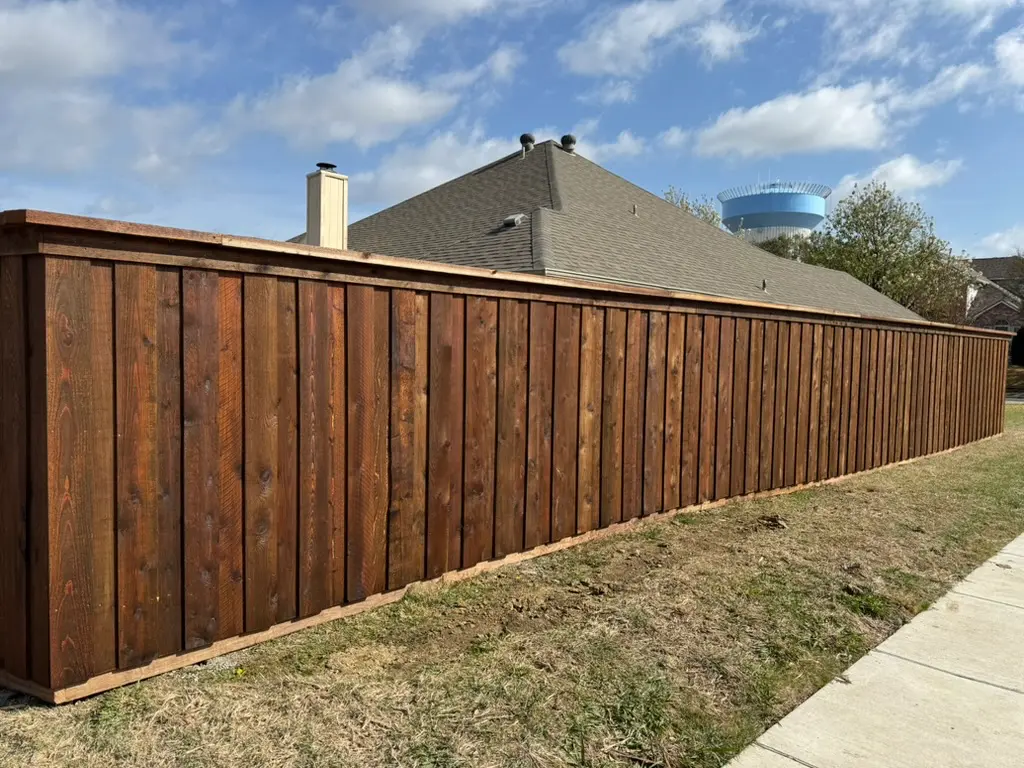
Board-on-board cedar used in chain link fencing planning
Board-on-board cedarMaterial and site conditions shape the final scope.
07Build specification

Our Dallas Installation Process

We keep it tight and predictable, and we don't leave until it's right.

  1. Free on-site consultation. We walk the property, take measurements, talk gauge and height, and check permit and HOA requirements.
  2. Written estimate. A clear scope with every line spelled out. No surprises after the fact.
  3. Material prep. We source quality galvanized or vinyl-coated materials sized for your job — no leftover builder-grade scrap.
  4. Installation. Posts set deep in concrete, mesh stretched tight and true, gates hung and adjusted to swing clean.
  5. Final walkthrough. We check every post, rail, and gate with you before we call it done, and it's covered by our 5-year workmanship warranty.

Chain link is often in stock and quick to install, so if you need a fence fast — for a new puppy, a job site, or an inspection deadline — we can usually move quickly. Serving Dallas and the surrounding metro, including Garland, Irving, Carrollton, and Lewisville.

Looking at other materials too? Compare our wood fence installation for privacy and our aluminum fence installation for a decorative metal look, or call (469) 809-2424 for a free quote on your chain link project.

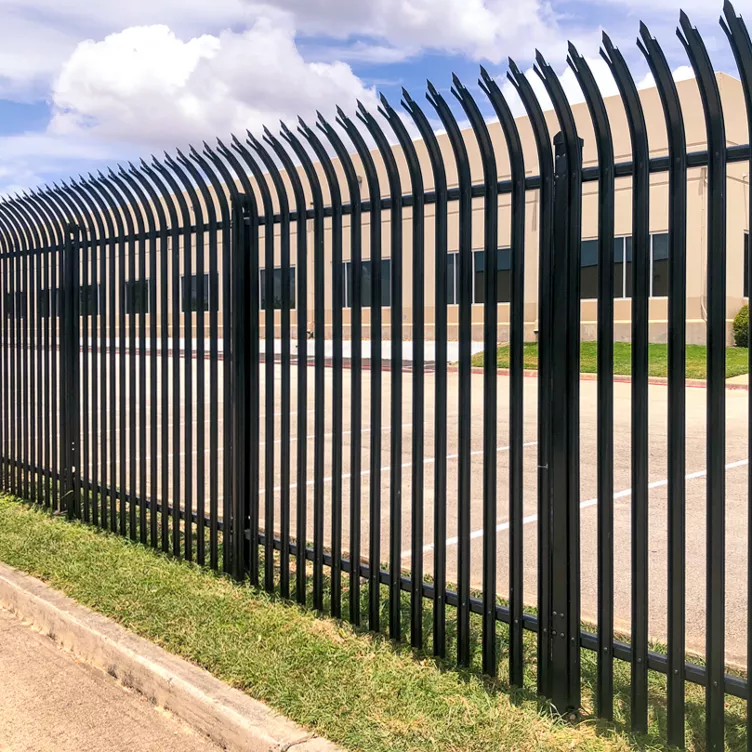
Ornamental iron used in chain link fencing planning
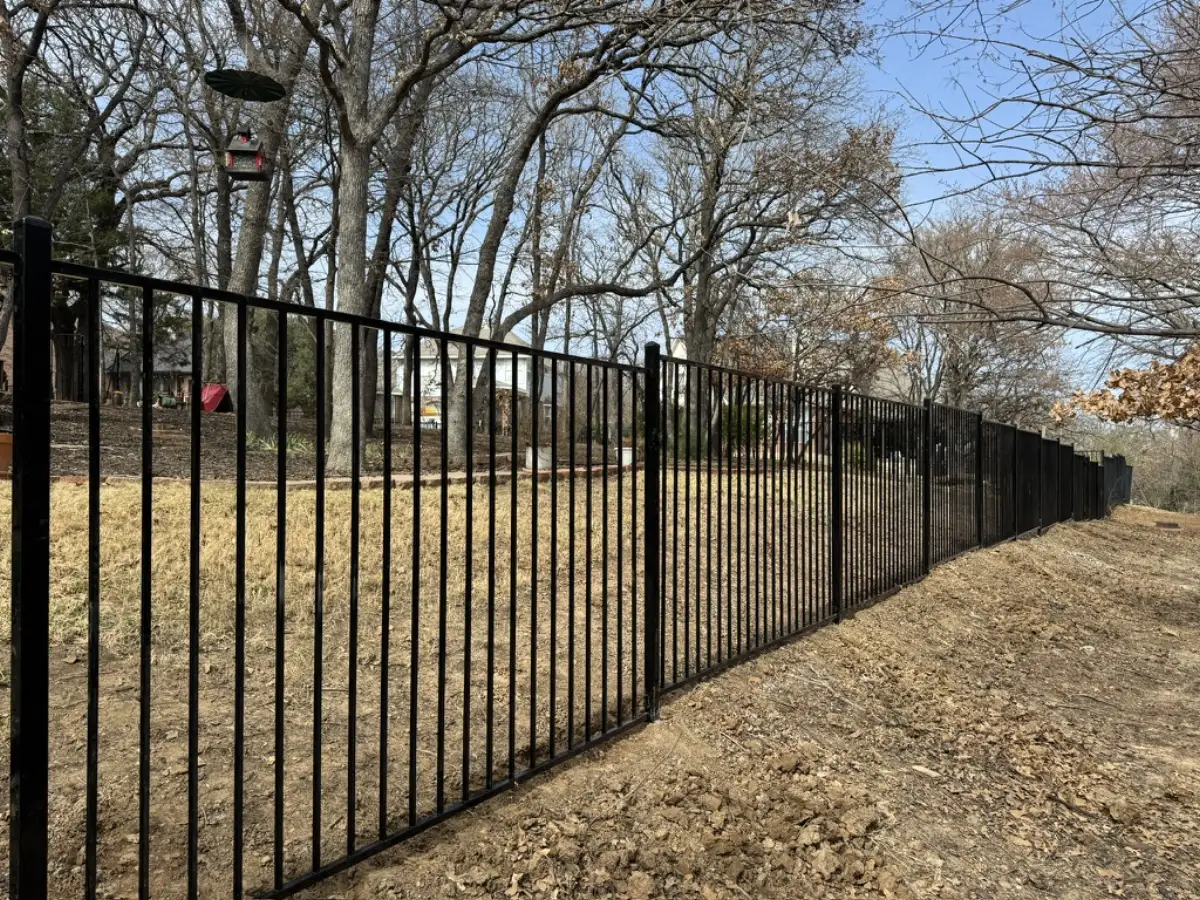
Ornamental ironMaterial and site conditions shape the final scope.

More from Dallas Fence

Explore our other fence services

One crew for every fence on your property. Whatever you're building next, we install it.

Before You Build

Chain Link Fencing questions

Practical answers about planning chain link fencing in Dallas.

Is galvanized or vinyl-coated chain link better?

Galvanized lasts 20+ years bare and is the practical choice. Vinyl-coated (usually black) adds a bonded polymer layer over the zinc, so it resists rust longer, cuts glare, and disappears into landscaping — worth it for front-facing runs.

What wire gauge should I choose?

Lower gauge means thicker wire. We install 9-gauge for most Dallas homes because it shrugs off dogs, kids, and wind far better than the builder-grade 11-gauge; commercial and security jobs step up to 6-gauge.

Do I need a permit for a chain link fence in Dallas?

In Dallas a permit is generally required for front-yard fences over 4 feet and for side or rear fences over 6 feet, and any fence over 9 feet needs Board of Adjustment approval and engineered drawings. We confirm your lot's zoning and HOA rules before we dig.

What are typical commercial chain link specs?

Commercial jobs use 6- or 9-gauge mesh on 2 3/8-inch line posts and heavier terminal posts, usually 6–8 feet tall, with optional 3-strand barbed wire, tension wire, and cantilever or swing gates for vehicles.

Can chain link handle a dog run?

Yes — it's the go-to for pet containment. We add bottom tension wire or a dig guard to stop digging, and coyote rollers or a taller top rail for climbers and jumpers.

How long does a chain link fence last in Texas?

A properly installed galvanized fence lasts 20+ years in the DFW climate, and vinyl-coated often longer. There's no wood to rot or stain — an occasional hose-down is the only upkeep.

How does chain link hold up in high wind?

The open mesh lets wind pass through, so chain link handles North Texas storms better than solid fences. Adding privacy slats increases wind load, so those runs need stronger posts and deeper footings.

Free Fence Estimate

Price your chain link fencing on the actual site.

Start with a free on-site measure and a written scope. You will know what is proposed before installation is scheduled.